Promoting an Event
Once you've organized a date for an event and you have speaker(s) committed, the next most important task is to drum up some attendance! This is one of the most important parts of running an event, but is also the one that most of us are the least good at executing on, so here's some concrete guidance to help improve attendance.
Promotion is not a one-off action: it's a process that starts as soon as the event exists and continues until (and even after) it has finished. And it doesn't have to be on you alone, encourage others to get involved - all attendees benefit from broader attendance!
TODO list
- Publish your event on your event platform of choice.
Make the page clear, concise, and answer the obvious questions:- Who is this event for?
- What will attendees learn?
- Is it beginner-friendly?
- Is it free? Is food provided?
- Is it remote or in-person? How to attend?
- Promote your event to attendees of your previous events.
Past attendees are by far your most likely future attendees. Even a small mailing list is extremely valuable. - Tell us about your event.
You can submit it to the community WG via the dedicated form. - Announce the event via your own social media platforms.
Personal posts often perform better than organizational ones, not least because it's likely that people from your locality follow you! A short personal note about why you're excited about the event helps. If people can see you putting effort into something, they'll often want to support that. - Encourage your local techy friends to also promote the event.
Even if they're not GraphQL users, their followers might be. Ask them to share rather than like since shares are more impactful, especially if they come with a personalized message! - Attend (or reach out to) other local tech-related events in your area.
Backend, frontend, cloud, data, or startup meetups often have significant overlap in audience. Cross-promotion and grass-roots outreach can work wonders. - Use Typefully to promote your event.
This allows promotion on the GraphQL Foundation's LinkedIn, BlueSky, and Twitter/X platforms, significantly expanding reach beyond your local network. - Reach out to companies in your locality for whom GraphQL may be
relevant.
Help them see the benefit of encouraging employees to attend (education, hiring, visibility in the community, addressing unknown unknowns). - Announce the event in
the GraphQL Discord.
Use the#upcoming-eventschannel. Include the city, timezone, and whether the event is beginner-friendly. (For online events, use Discord Timestamp Generator to generate a timestamp that displays in the viewer's local timezone. Also useful for countdowns (relative time)!) - Announce the event via the mailing list.
This helps other organizers stay informed and enables cross-promotion between locals.
Do not be disheartened if attendance is low for the first few meetings. It often takes 2–3 events for a local to establish itself. Encourage attendees to bring colleagues and friends to the next one; word of mouth compounds over time!
Make it easy to say “yes”
Reduce friction wherever possible:
- Clearly state the experience level expected (or explicitly say “all levels”).
- Use simple titles and descriptions, avoid jargon-heavy phrasing.
- Make registration quick (no unnecessary forms).
- Let attendees know when the next event is; if people can't make the current one, at least they can book the next one into their calendar!
Repeat your messaging!
Post again and again on social media. Don't get spammy, vary your messages, but remember: most people didn't see your first message, and even fewer clicked through. It's often said that people need to see a message 8 times before they act on it!
Find opportunities to boost your speaker(s) other social media posts with a note that they'll be speaking at your event.
Post 4 weeks before, 2 weeks before, 1 week before and 1-2 days before. Use different message each time, here are some ideas for messages you might share:
- General announcement of event, topics, target audience.
- Final reminder and last chance to get tickets!
- Focus on a specific talk, and why it's relevant at the moment, to you, to the audience, or similar.
- Focus on a specific speaker, and why they're worth coming to listen to.
- Thank a sponsor.
- Thank the venue.
- Post a picture of some of the swag you intend to share!
- Post about the perks of attendance (free food!).
- Post anecdotes of something key or unexpected you learned from someone when attending an in-person event.
- Remind people to invite their colleagues.
- Post a GraphQL-related brain teaser with result announced at the event.
- State your excitement about the event.
- Call for speakers for the next event (give a date if possible).
Using different messages in each post means you don't need to worry you're repeating yourself, but remember: each post reaches a different subset of people, so always link to the event!
During and after the event
You want to induce FOMO in people who didn't attend.
Share:
- Photos showing key slides/speakers/discussion groups.
- How many people came.
- The energy of the room.
- Interesting questions that were asked.
- Surprising takeaways or discussions.
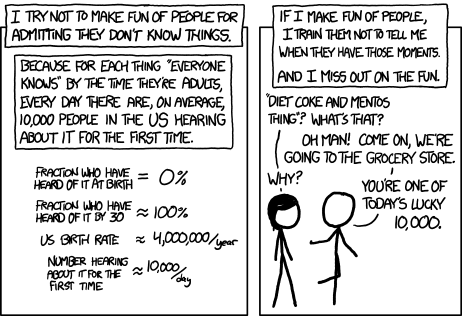
- What attendees learned (even if they're one of today's 10,000).
Photos help a lot. Even informal phone pictures make the event feel real and welcoming to newcomers.
If recordings or slides are available, share links; this increases the long-term impact of the event and helps build momentum for the next one.
Write it up!
Did you know you can submit blog posts directly to the graphql.org blog? You can and should!
A short write-up about your local (what worked, what didn't, what surprised you) helps future organizers and showcases the health of the community, and it can help with discovery so your next event gets even better attendance!
Reach out if you need any guidance 🙂